
In Conversation with Dorian Williams: Honouring our Communities

In conversation with Dorian Williams: Honouring Our Communities
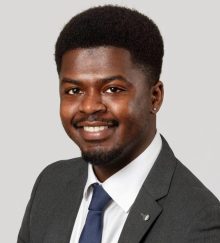
For Black History Month 2026 and its theme, “Honouring Our Communities”, co-chair Priya Pandya speaks to Dorian Williams, a second-year trainee solicitor at Hodge Jones and Allen, currently undertaking his third seat in the family team. Dorian reflects on his journey into law, the support he has received along the way and how the profession can help the next generation of Black lawyers.
Tell us a little about yourself and your journey into law.
I studied law at the University of Nottingham and completed my LPC at the University of Law. Before starting my training contract at HJA, I worked in family law at Dawson Cornwell. That experience gave me a useful foundation for my current seat in the family team.
My interest in pursuing a legal career developed at university. What particularly appealed to me was the opportunity to help people through situations they might find difficult to navigate on their own. Having legal knowledge puts you in a position to support people who may not know what their rights are or where to turn.
Legal fees can be incredibly expensive, particularly in family cases. For someone who cannot afford representation, legal aid can make a huge difference. I see it as a privilege to work in this area and contribute where I can.
What do you enjoy doing outside work?
I enjoy sport, particularly football, and play with colleagues at HJA. I also enjoy watching football, although playing has come with a few setbacks: I have broken my wrist twice!
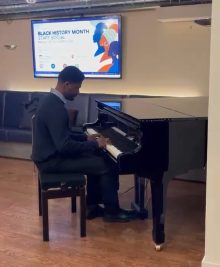
I play the piano for fun, having reached Grade 5, and enjoy spending time with family and friends, going to the theatre and visiting the cinema. I am originally from Sierra Leone and speak Krio.
What does this year’s theme, “Honouring Our Communities”, mean to you?
For me, it means recognising our roots and understanding how they shape us: how we work, how we carry ourselves and how we interact with other people.
It is also about representing our communities in the best way we can. Some communities face negative perceptions, and there is an opportunity to challenge those assumptions through what we do and how we treat others.
Honouring our communities means taking pride in where we come from, paying homage to our backgrounds and extending that same respect to others. We should be able to celebrate our own identities without judging anyone else’s.
How has your community shaped your journey into law?
Being aware of the barriers Black people can face when entering certain professions gave me an extra drive to pursue law. I wanted to get into the profession, but I also recognised that law can be a mechanism for change and a way to help pave the way for the next generation.
Community has also meant having people around me who offered encouragement and practical support. My family helped me prepare for interviews by practising questions with me, and legal professionals gave me guidance about entering the profession.
Those experiences have shaped how I think about supporting others. Once I secured my training contract, people began reaching out to ask about my route into law, including people I had previously worked with and placement students. Having benefited from other people’s support, I am more than happy to offer it in return.
What role have mentors and professional connections played in your journey?
They have been really valuable. Networking can introduce you to people who offer a different perspective, share their experiences or help you understand your next steps.
I met one woman through networking who continues to support me today. That ongoing encouragement makes a difference. Sometimes, having someone you can approach for advice or reassurance can help you keep going.
It has shown me that support does not have to end after one conversation. Building those relationships, and making time for people as they progress, can have a lasting impact.
How can the legal profession better support and empower Black communities?
We need to reach people earlier, including at secondary school and sixth form, and help them understand the opportunities available to them. Some young people may be facing difficulties or may not see law as a career that is open to them. Encouragement and practical information at that stage can make a real difference.
Trainees and newly qualified solicitors have an important role to play. Seeing someone at the beginning of their legal career can make the profession feel more approachable. It can be less intimidating to speak to someone whose experience of applications and training is still recent.
More outreach and mentoring at that level would help young people see a route into the profession and give them someone they feel comfortable asking for advice.
How do you hope to create opportunities for the next generation of Black legal professionals?
I would like to take part in more outreach programmes, visit schools and speak to young people about pursuing a legal career. I also want to help with applications and offer reassurance during what can be a difficult process.
Giving someone confidence can be just as important as offering practical advice. Rejection can feel discouraging, but it does not mean you cannot succeed. I hope to help people keep sight of where they want to go and recognise that setbacks can be part of getting there.
What advice would you give to young Black aspiring solicitors starting their legal careers?
Be confident and put yourself out there. Recognise that you have something to contribute and that you can make a difference.
Do not be afraid to reach out to people. Ask questions, seek guidance and make use of the support around you. That might mean speaking to someone in the profession or asking family and friends to practise interview questions with you.
Above all, be resilient and do not give up. There will be setbacks, but keep learning and keep taking opportunities. What is right for you will find you.
Dorian’s reflections highlight the importance of community, representation and mutual support. Through his work in legal aid and his commitment to encouraging aspiring lawyers, he hopes to help the next generation find their place in the profession.