
Sustain the lawyer. Sustain the system.
In Conversation with Chair of Bar Council Kirsty Brimelow KC

Mental health is no longer a fringe conversation within the legal profession. Across the Bar and the wider legal aid sector, practitioners are increasingly speaking about burnout, stress, secondary trauma and the challenge of sustaining a career within an overstretched justice system. Yet while awareness has grown, many of the pressures facing legal aid lawyers remain deeply entrenched.
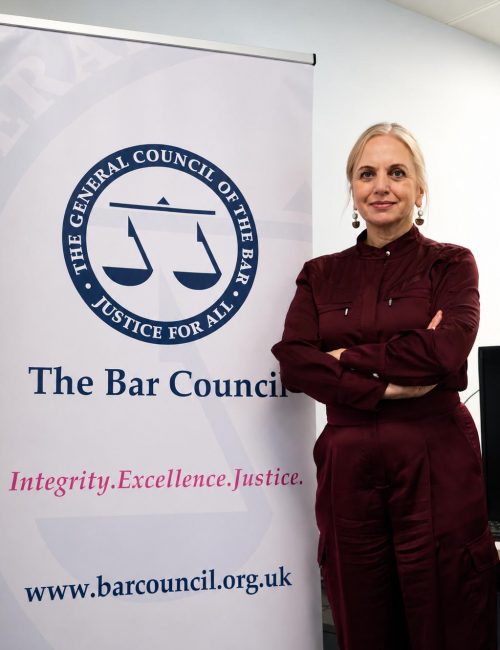
Few people are better placed to discuss those challenges than Kirsty Brimelow KC. As Chair of the Bar Council, former Chair of the Criminal Bar Association and a leading barrister at Doughty Street Chambers, she has spent much of her career championing access to justice and supporting those working within the profession. Her route to the Bar was far from conventional; after securing a scholarship and pupillage, she deferred both to spend a year working and travelling through Hong Kong, Australia, Indonesia, Singapore, India, Thailand and Malaysia, an experience that helped shape her outlook long before she stepped into a courtroom. Away from legal practice, she is a keen skier and swimmer, has climbed Mount Kilimanjaro, is a Kung Fu purple belt and is a firm believer in the importance of finding balance beyond work.
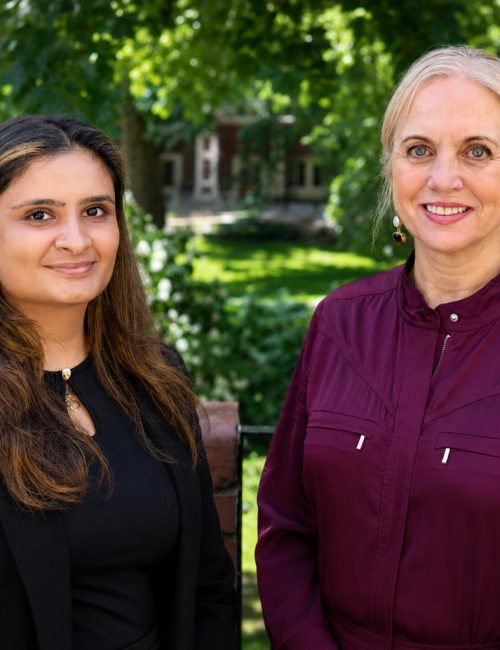
As part of the Young Legal Aid Lawyers Mental Health Pledge campaign, co-chair Priya Pandya spoke to Kirsty about the realities of legal aid practice, the emotional burden carried by many practitioners and what must change if we are to sustain both the lawyers and the justice system they serve.
During the discussion, Priya asked Kirsty the following questions:
Mental health is being discussed more openly within the profession than it was a decade ago. Have you noticed a real shift in attitudes within criminal and legal aid practice?
Absolutely. One of the defining moments was the Bar Council’s wellbeing survey in 2014. The expectation was that a few hundred barristers might respond, but more than 2,500 took part. It demonstrated that wellbeing was not a niche issue but something affecting practitioners across the profession.
There has been a genuine cultural shift since then. People are more willing to talk about mental health and to acknowledge the impact that legal practice can have. In criminal and human rights work particularly, barristers are routinely exposed to traumatic material and extreme circumstances. It can be hard seeing the distress of witnesses as they relive their own traumatic experience in court. We have become much better at recognising concepts such as vicarious trauma and the need to support practitioners who experience it.
The Bar Council has developed extensive wellbeing resources, including a signposting to a 24-hour counselling service, but perhaps the biggest change has been in attitudes. More people now understand that looking after their mental health is not a sign of weakness. It is essential if they are to serve their clients effectively and sustain a long-term career.
For people outside legal aid, what do you think is most misunderstood about the realities of legal aid practice?
Many people only see what happens in court and assume those are our working hours. The reality is that criminal barristers spend countless hours preparing cases, advising clients, reviewing evidence and working evenings and weekends.
The profession is often misunderstood by politicians and sections of the media as well. Barristers work incredibly hard to keep the justice system functioning. We do everything possible to avoid delays because we understand the impact adjournments have on victims, defendants and witnesses. Delays also are frustrating to barristers who might have sacrificed their weekend to case preparation.
What keeps people in criminal practice is not the financial reward. It is the sense of purpose. You are often helping people through the most difficult periods of their lives and contributing to a system that is fundamental to the rule of law. This is not to say that the Government should get away with underfunding legal aid and increases really need to be implemented urgently, across civil, family and criminal law. There are too few barristers to defend and prosecute and goodwill is running on fumes.
Legal aid practitioners deal with immense responsibility, difficult subject matter and relentless pressure. How would you describe the emotional reality of the job?
The emotional impact can be significant. There are days when you hear evidence that is deeply traumatic and those experiences do not simply disappear when you leave court. Some images and words do not disappear at all but, after a while, they walk beside you.
There is also the pressure that comes with responsibility. I have always been my own harshest critic. If a case has not gone as well as I hoped, I don’t just reflect on whether I could have done something differently but can blame myself. Ultimately, people’s lives are affected by the work we do, and that responsibility weighs heavily on conscientious practitioners. I still work very long hours before an important hearing, cross-examination or speech.
Do you think there has historically been a culture within legal aid practice of simply “getting on with it”?
Yes, I think there has been.
For many years there was an expectation that barristers would continue regardless of how they were feeling. If you were stressed, exhausted or unwell, you still went to court. Part of that stems from the realities of self-employed practice and the financial consequences of taking time away from work.
That culture is beginning to change, but it still exists to some degree. We need to continue normalising conversations about wellbeing and recognising that looking after yourself is part of being an effective advocate.
How serious is the mental health challenge across legal aid professions?
It is a serious challenge, particularly in criminal legal aid. Recent wellbeing surveys show significant numbers of practitioners reporting low morale, heavy workloads and concerns about their wellbeing.
Those findings are not surprising. Court backlogs, increasing workloads and ongoing pressures within the justice system all contribute to the problem. The wellbeing crisis cannot be separated from the wider challenges facing legal aid.
We often discuss access to justice. Do we sufficiently discuss the wellbeing of those delivering that justice?
Not enough.
Access to justice depends on healthy, supported practitioners. The two issues are inseparable. One of the most important things we can do is encourage openness from senior members of the profession. When leaders talk honestly about wellbeing, it helps others recognise that they are not alone.
One of the strengths of the Bar has always been its sense of community. Throughout my career I have benefited from colleagues who were willing to offer advice, support and encouragement. We need to preserve and strengthen that culture, particularly for junior practitioners.
How do the pressures differ between junior and senior practitioners?
Junior practitioners often face the greatest pressures. Many feel unable to say no to work while trying to establish their practices. They are also dealing with significant financial pressures, rising living costs and uncertainty about the future.
That is why support for junior lawyers is so important. We know from research that junior barristers often report lower levels of wellbeing than their senior colleagues. If we want to retain talented people within legal aid, we need to create an environment where they feel supported and able to build sustainable careers.
To what extent is the wellbeing crisis inseparable from the chronic underfunding of legal aid?
The two are fundamentally linked.
The legal aid system relies heavily on the goodwill and commitment of practitioners. Barristers routinely undertake work that is unpaid or underpaid, often waiting extended periods before receiving payment for work already completed.
Goodwill keeps the system going, but it is not an unlimited resource. Financial insecurity creates stress, uncertainty and pressure. If we are serious about improving wellbeing, we must also be serious about properly funding legal aid.
Legal aid practitioners routinely engage with violence, abuse, loss and trauma. Do we adequately acknowledge the emotional impact of this work?
I do not think we do.
Lawyers are repeatedly exposed to difficult and distressing material throughout their careers. While we rightly focus on supporting victims and witnesses, we also need to recognise the impact this work can have on practitioners.
We should be talking more openly about secondary trauma, vicarious trauma and compassion fatigue. These are normal human responses to difficult work and acknowledging them is an important step towards creating healthier careers.
What responsibility do representative bodies, chambers and leaders have in safeguarding wellbeing?
Leadership is crucial.
Leaders need to demonstrate that asking for help is a strength rather than a weakness. Chambers, representative bodies and judges all have a role to play in creating cultures where wellbeing is taken seriously and support is readily available.
The Bar Council has worked hard to promote wellbeing through initiatives such as the Wellbeing at the Bar programme, but there is always more to do. The conversation must continue and it must involve people at every level of the profession.
If you could introduce three changes tomorrow to improve mental health in criminal legal aid, what would they be?
First, properly fund legal aid.
Second, reform payment structures so that practitioners are paid fairly and promptly for the work they undertake.
Third, encourage more senior members of the profession, including judges, to speak openly about wellbeing and how they manage the pressures of legal practice.
Finally, what message would you give to young lawyers committed to legal aid but worried about burnout or sustainability?
I would encourage them not to lose sight of the positives.
Legal aid work is intellectually stimulating, meaningful and capable of making a genuine difference to people’s lives. Few careers provide the same opportunity to contribute directly to justice and the rule of law.
At the same time, it is important to be realistic about the pressures involved. It is a demanding profession and not everyone will find that it suits them. What matters is recognising that seeking support is not a sign of failure.
The legal profession is ultimately a community. There will always be colleagues, mentors and friends willing to help. No one should feel that they have to navigate these challenges alone.
As our conversation draws to a close, one message remains clear: the wellbeing of legal aid practitioners is not a peripheral issue. It sits at the heart of the justice system itself. If we want to sustain access to justice, we must also sustain the people responsible for delivering it. The future of legal aid depends not only on funding and reform, but on ensuring that those who dedicate their careers to serving others are themselves supported, valued and able to thrive.
At its heart, the conversation with Kirsty Brimelow KC serves as a reminder that access to justice and lawyer wellbeing are not competing priorities. A justice system can only thrive when the people who sustain it are themselves supported, valued and able to thrive.